
Electric Vehicle Infographics
Introduction
In 2021, the PCREEE started rolling out the regional emobility readiness programme. That programme curently focusses on 4 key areas:
- Central Policy and Administration
- Standards and Guidelines
- Awareness and Promotion
- Demonstration and Upscale
Together with the support of other development partners and stakeholders, some progress have been made and more work need to be done. The 6th Pacific Regional Energy and Transport Ministers Meeting in May 2026 Requested PCREEE to strengthen regional coordination, communication, and policy signalling for e-mobility, and to support practical mechanisms for countries to learn from one another and accelerate deployment through active sharing of Pacific EV project data, lessons learned, and technical specifications. The PCREEE has responded by:
Updating the regional emobility policy document;
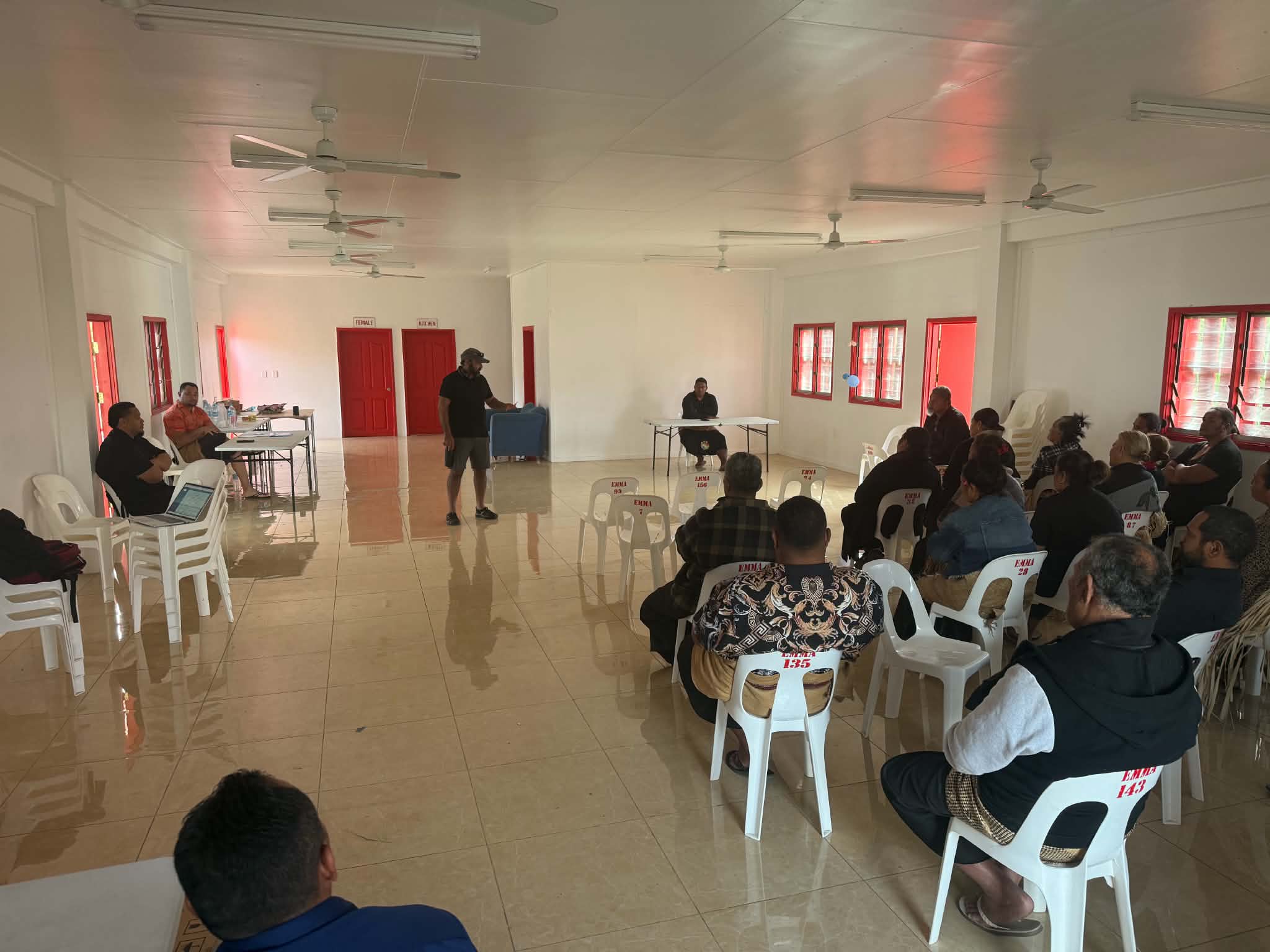
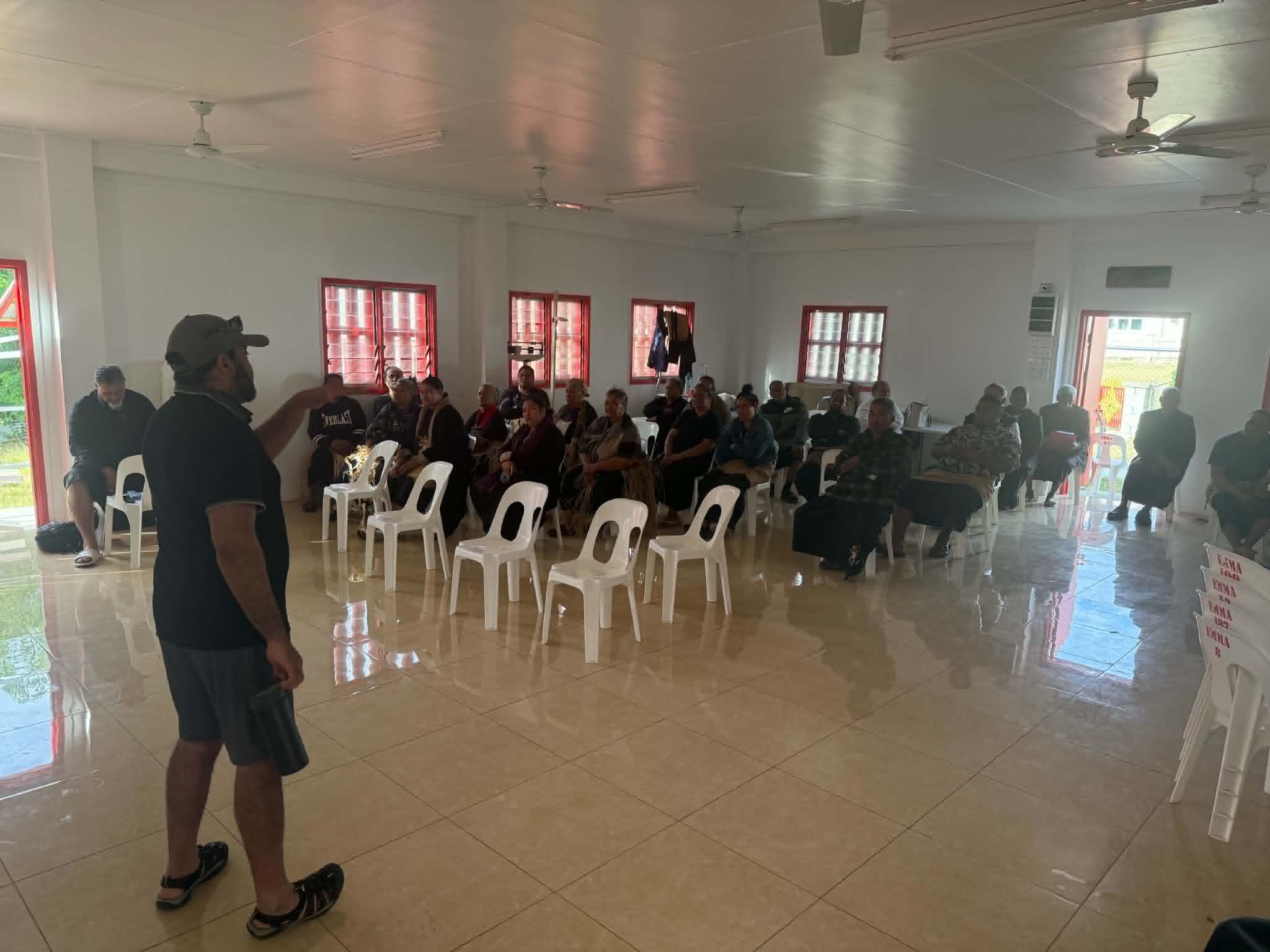
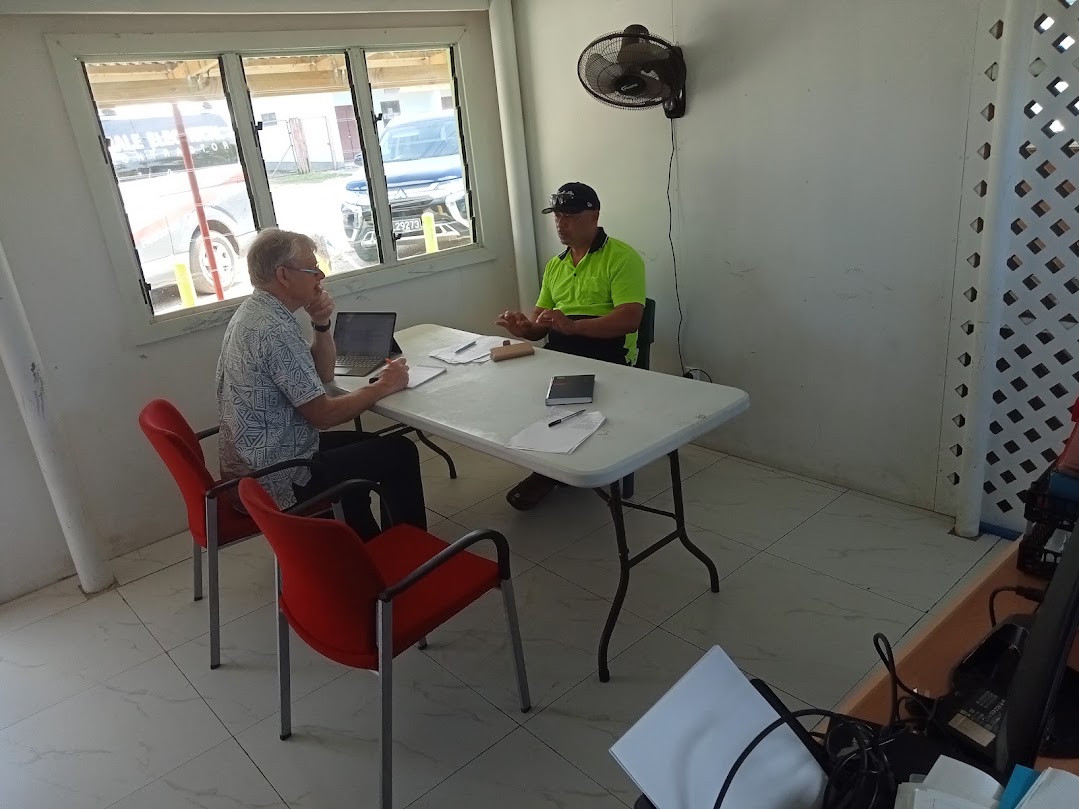
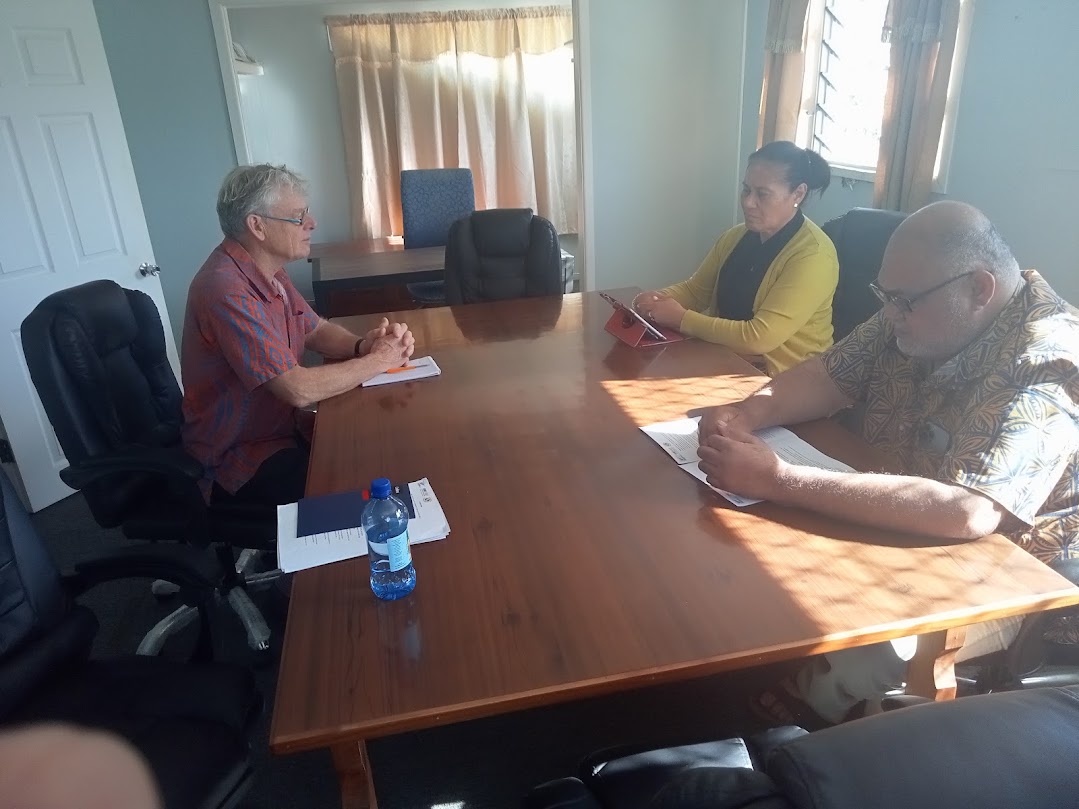
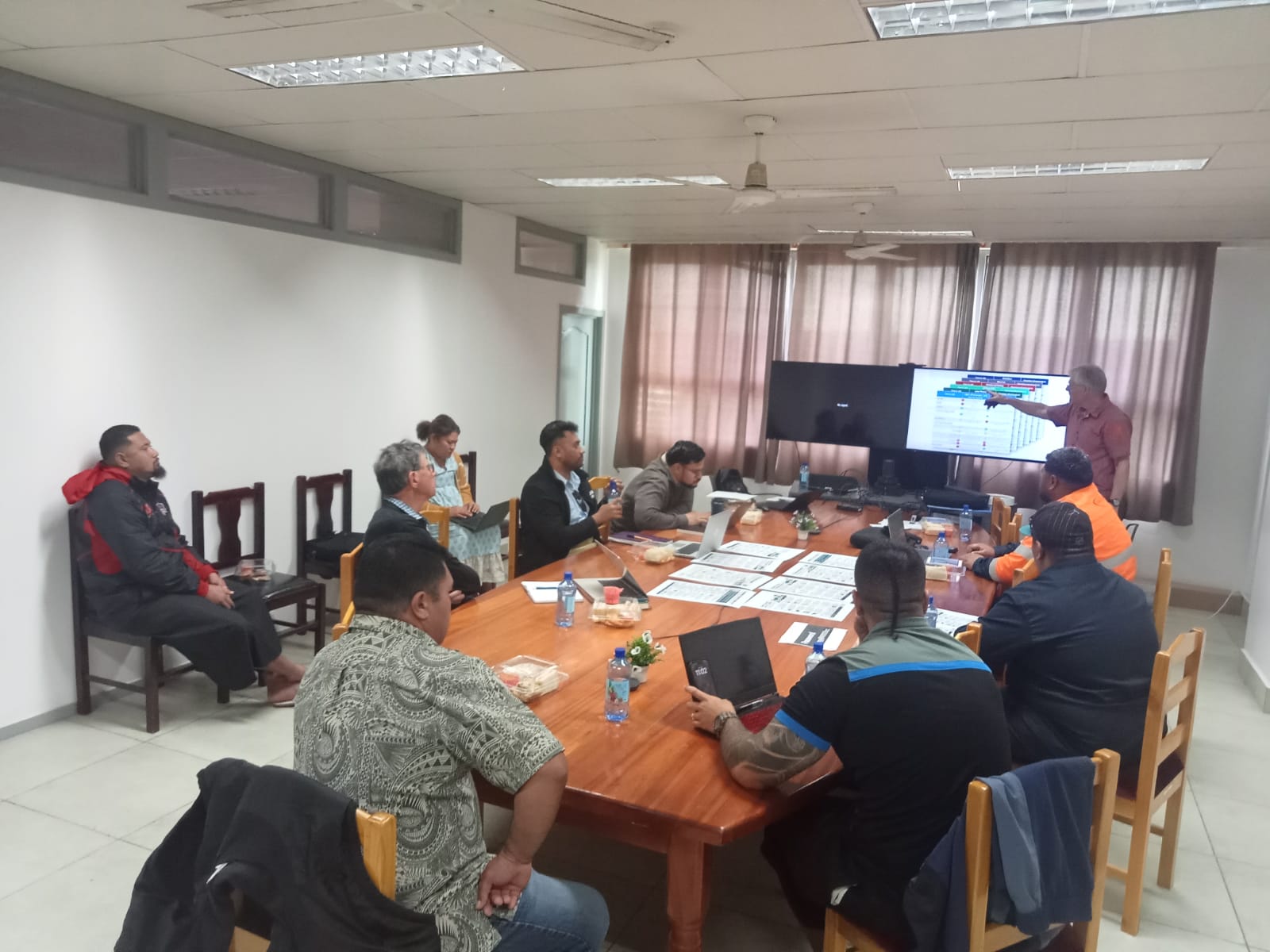
Fielding a Technical Assistance mission to Tonga, and
Developing awareness materials and infographics on priority areas in the emobility ecosystem.
We wish to acknowledge Mr Andrew Campbell of Fuel and Technology Ltd of Wellington, NZ for putting together the infograhpics.
Charging
Good EV charging practices are important for safe, convenient and reliable EV use.
Charging is usually simple, but poor practices can create avoidable risks, including unsafe socket use, damaged cables, overheating, trip hazards, failed charging sessions, vehicles not being ready when needed, and unnecessary use of public charging. Good charging practices help users charge safely, plan enough charge for daily and emergency needs, protect charging equipment, and use shared charging infrastructure considerately.
Good charging solutions are also important. The right solution is not necessarily the highest-powered charging equipment, but the arrangement that safely matches the vehicle’s use, parking time, electricity supply, charging location, user needs and likely future demand. Well-designed charging can reduce cost, avoid unnecessary electrical or network upgrades, support solar use where available, improve fleet readiness, and build confidence in EVs.
To support safe charging practices and good charging decisions, the following guidance material is provided:
- How to charge your EV safely — an infographic for EV users, occasional users, workplace users and short-term users such as people borrowing or hiring an EV.
- Choosing the right EV charging solution — an infographic for EV owners, fleet managers, workplaces, hotels, public facility managers, vehicle importers and agencies making charging decisions.
- Supporting information guide — more detailed information for agencies, utilities, electricians, importers, fleet managers, workplaces, public charging operators and other stakeholders involved in planning, approving, installing, operating or managing EV charging.
Recommendations for Importers and Suppliers of New EVs
Importing electric vehicles is different from importing conventional petrol or diesel vehicles. The traction battery, high-voltage electrical systems, charging compatibility, software, communications systems and ongoing technical support all influence whether an EV will be safe, practical and suitable for long-term use in Pacific Island Countries.
Many of these aspects cannot be confirmed by simply inspecting the vehicle on arrival. The most effective approach is therefore to obtain key technical information from the original equipment manufacturer (OEM), or an authorised representative, before vehicles are ordered, and to retain supporting documentation when the vehicles are supplied.
This guidance has been prepared to help importers, fleet purchasers, vehicle suppliers and government agencies ask the right questions before committing to a purchase. It aims to reduce procurement risks, improve purchaser confidence and support the supply of EVs that are safe, fit for purpose and appropriate for local operating conditions.
This page provides three complementary resources:
- Infographic – Recommendations for Importers and Suppliers of New EVs – a concise summary of the key recommendations and practical checks that should be considered before ordering and when supplying new EVs.
- Supporting Information – background explanations for each recommendation, including why it is important, what information should be requested, and how the recommendations can be applied in practice.
- OEM Information Proforma – a template that importers can provide to an OEM, authorised OEM representative or overseas supplier to request confirmation of the key technical specifications, safety standards, charging capabilities and other information needed to make an informed purchasing decision. The completed proforma should be retained as supporting evidence for the model and variant supplied.


GN-SEC learning plattform

Open Procurements
Job Opportunities
Images Galleries























































Pages
PCREEE newsletter
Stay informed on our latest news!